
Article: Matcha Benefits Evidence-Based Guide #1

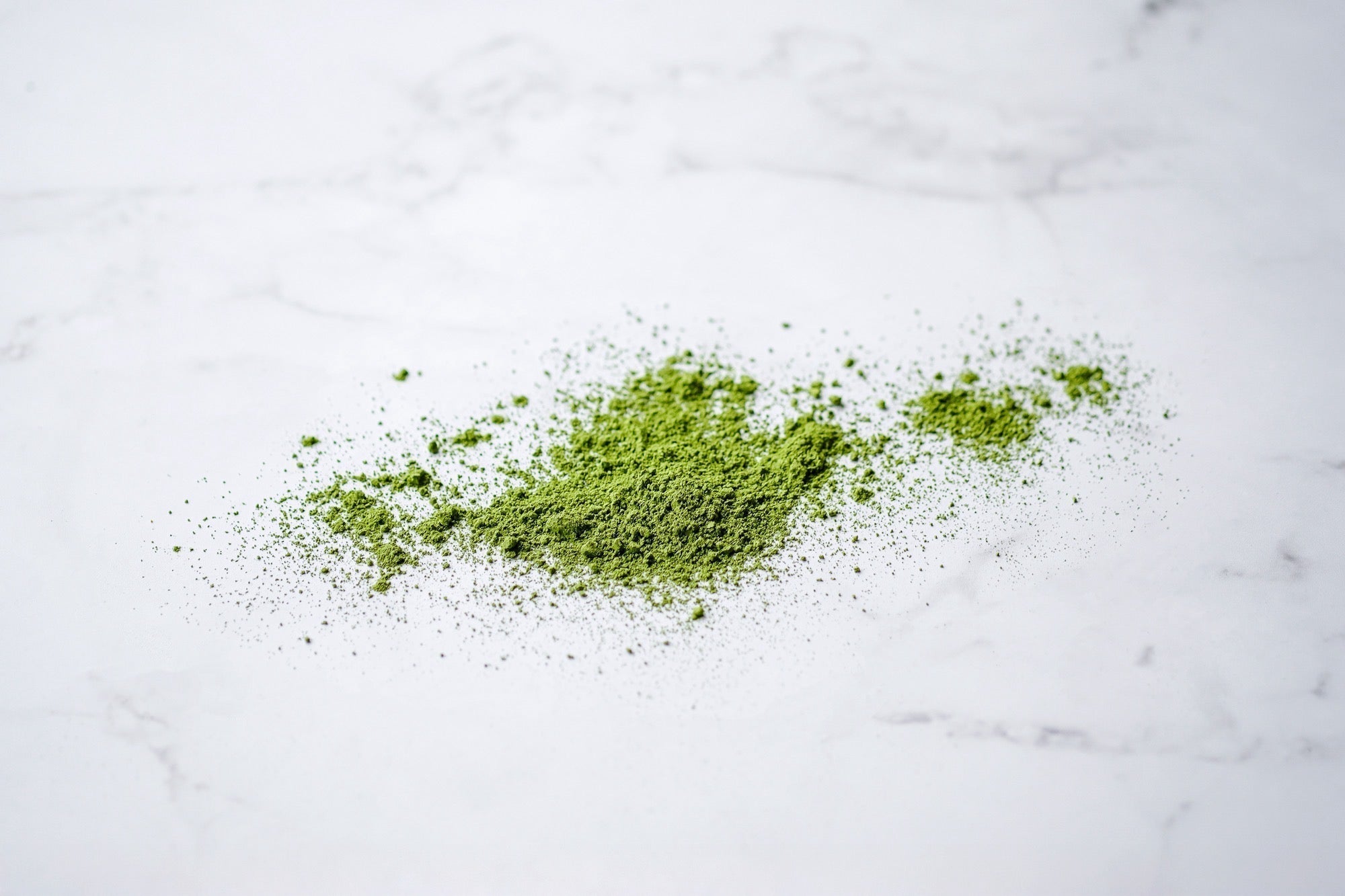
Matcha Benefits Evidence-Based Guide #1
Matcha Benefits: An Evidence-Based Guide to How Matcha May Support Overall Wellness
What Is Matcha?
Matcha is a finely ground green tea powder made from specially grown tea leaves. Unlike traditional green tea, where the leaves are steeped and discarded, matcha allows you to consume the entire tea leaf. This means you receive a higher concentration of beneficial compounds, including catechins, L-theanine, chlorophyll, vitamins, and minerals.
Over the past decade, matcha has gained worldwide popularity among health-conscious consumers, wellness professionals, and researchers interested in its potential health benefits. But what does the science actually say?
This evidence-based guide explores the current research behind matcha and how it may support overall wellness.
Key Bioactive Compounds in Matcha
1. EGCG (Epigallocatechin Gallate)
EGCG is the most abundant catechin found in matcha and is known for its powerful antioxidant properties. Researchers have extensively studied EGCG for its potential role in supporting cardiovascular health, metabolic function, and cellular protection.
2. L-Theanine
L-theanine is a unique amino acid naturally found in tea leaves. It is associated with promoting a calm but alert mental state and may help reduce feelings of stress while supporting focus and concentration.
3. Caffeine
Matcha naturally contains caffeine. However, unlike coffee, the combination of caffeine and L-theanine may create a smoother, more sustained energy experience without the rapid spikes and crashes often reported with coffee consumption.
4. Chlorophyll
Because matcha tea plants are shaded before harvest, the leaves develop high levels of chlorophyll. Chlorophyll gives matcha its vibrant green color and contributes to its unique nutritional profile.
Potential Matcha Benefits Supported by Research
Antioxidant Support
Every day, our bodies are exposed to oxidative stress caused by normal metabolism, environmental pollution, UV exposure, and lifestyle factors.
Matcha contains a high concentration of antioxidants, particularly catechins such as EGCG. Antioxidants help neutralize free radicals and support the body's natural defense systems.
While antioxidants are important for overall health, they are only one part of a healthy lifestyle that includes balanced nutrition, exercise, sleep, and stress management.
Supports Calm Focus
One of the most unique characteristics of matcha is the combination of caffeine and L-theanine.
Research suggests that L-theanine may promote relaxation without causing drowsiness. When combined with caffeine, it may help support:
-
Sustained attention
-
Mental clarity
-
Focused productivity
-
Cognitive performance
This is one reason why many students, entrepreneurs, and professionals choose matcha as part of their daily routine.
May Support Healthy Metabolism
Several studies have investigated green tea catechins and their relationship with energy expenditure and fat oxidation.
Research suggests that catechins may support metabolic function when combined with a healthy diet and regular physical activity. However, matcha should not be viewed as a magic weight-loss solution.
Sustainable weight management depends on many factors, including nutrition, exercise, sleep quality, and overall lifestyle habits.
May Help Support Healthy Blood Sugar Levels
Blood sugar management has become a growing area of interest among researchers.
Some studies suggest that green tea compounds may help support insulin sensitivity and healthy glucose metabolism. However, results vary across individuals, and more long-term human research is needed.
For people interested in blood sugar wellness, matcha may be a valuable addition to an overall healthy lifestyle, but it should never replace medical advice or treatment.
Supports Daily Energy
Many people switch from coffee to matcha because they experience a smoother and more balanced energy boost.
The combination of natural caffeine and L-theanine may help provide:
-
Steady energy
-
Improved concentration
-
Reduced mental fatigue
-
Greater productivity
Individual responses vary depending on caffeine sensitivity and overall health status.
May Support Heart Health
Green tea consumption has been associated with cardiovascular wellness in several observational studies.
Researchers continue to investigate how catechins may support:
-
Healthy cholesterol levels
-
Vascular function
-
Circulation
-
Cardiovascular wellness
As with all nutrition research, matcha should be viewed as one component of a heart-healthy lifestyle rather than a standalone solution.
Matcha vs. Coffee
Many people compare matcha with coffee when choosing a daily beverage.
| Matcha | Coffee |
|---|---|
| Contains L-theanine | No L-theanine |
| Calm alertness | Rapid stimulation |
| Antioxidant-rich | Lower catechin content |
| Gradual energy release | Faster caffeine effect |
| Traditional wellness beverage | Popular global beverage |
Both beverages can fit into a healthy lifestyle, and the best choice depends on personal preference and individual tolerance.
How to Incorporate Matcha Into Your Daily Routine
If you're new to matcha, consider these simple options:
Morning Matcha
Start your day with a traditional bowl of matcha instead of coffee.
Matcha Latte
Mix matcha with your preferred milk for a creamy and satisfying beverage.
Smoothies
Add matcha to smoothies for an antioxidant-rich boost.
Mindful Tea Ritual
Take a few minutes each day to prepare and enjoy matcha intentionally, inspired by Japanese tea culture.
The Importance of Quality
Not all matcha is created equal.
When choosing matcha, look for:
-
Vibrant green color
-
Fresh aroma
-
Smooth taste
-
Japanese origin
-
Proper storage practices
Higher-quality matcha generally contains higher concentrations of desirable compounds and offers a more enjoyable drinking experience.
Final Thoughts
Matcha is more than just a trend. It is a traditional Japanese wellness beverage backed by growing scientific interest.
Current research suggests that matcha may support:
✓ Antioxidant protection
✓ Calm focus
✓ Daily energy
✓ Healthy metabolism
✓ Blood sugar wellness
✓ Overall well-being
While matcha is not a cure or treatment for disease, it can be a valuable part of a balanced and healthy lifestyle.
Want to See Real Blood Sugar Results?
Curious about how matcha may affect blood sugar levels in real-life situations?
Join the IKIGAI MATCHA Science Newsletter to receive:
-
Blood sugar monitoring results
-
Evidence-based matcha research summaries
-
Japanese wellness insights
-
Exclusive educational content
-
Updates on the International Matcha Advisor Certification Program
Sign up today and discover the science behind matcha, wellness, and Japanese health traditions.

Written by IKIGAI MATCHA