

Why Are Matcha Tea Leaves Shaded Before Harvest?
The tea leaves used to make matcha are shaded from sunlight for about 3–4 weeks before harvest. This traditional method is called shade-growing and is one of the key reasons matcha has its unique flavor, color, and nutritional profile.

But this isn't just tradition — it's science.
1. More L-Theanine = More Umami
L-theanine is an amino acid responsible for matcha’s smooth, sweet, and umami-rich taste.
When tea leaves are exposed to sunlight, L-theanine is gradually converted into catechins (the compounds responsible for bitterness and astringency).
By reducing sunlight exposure, the plant retains higher levels of L-theanine.
The result:
✅ More natural sweetness
✅ Richer umami flavor
✅ Smoother taste
Research has shown that shaded tea leaves contain higher levels of amino acids, including L-theanine, compared to non-shaded tea leaves.

2. More Chlorophyll = Vibrant Green Color
When plants receive less sunlight, they produce more chlorophyll to maximize light absorption for photosynthesis.
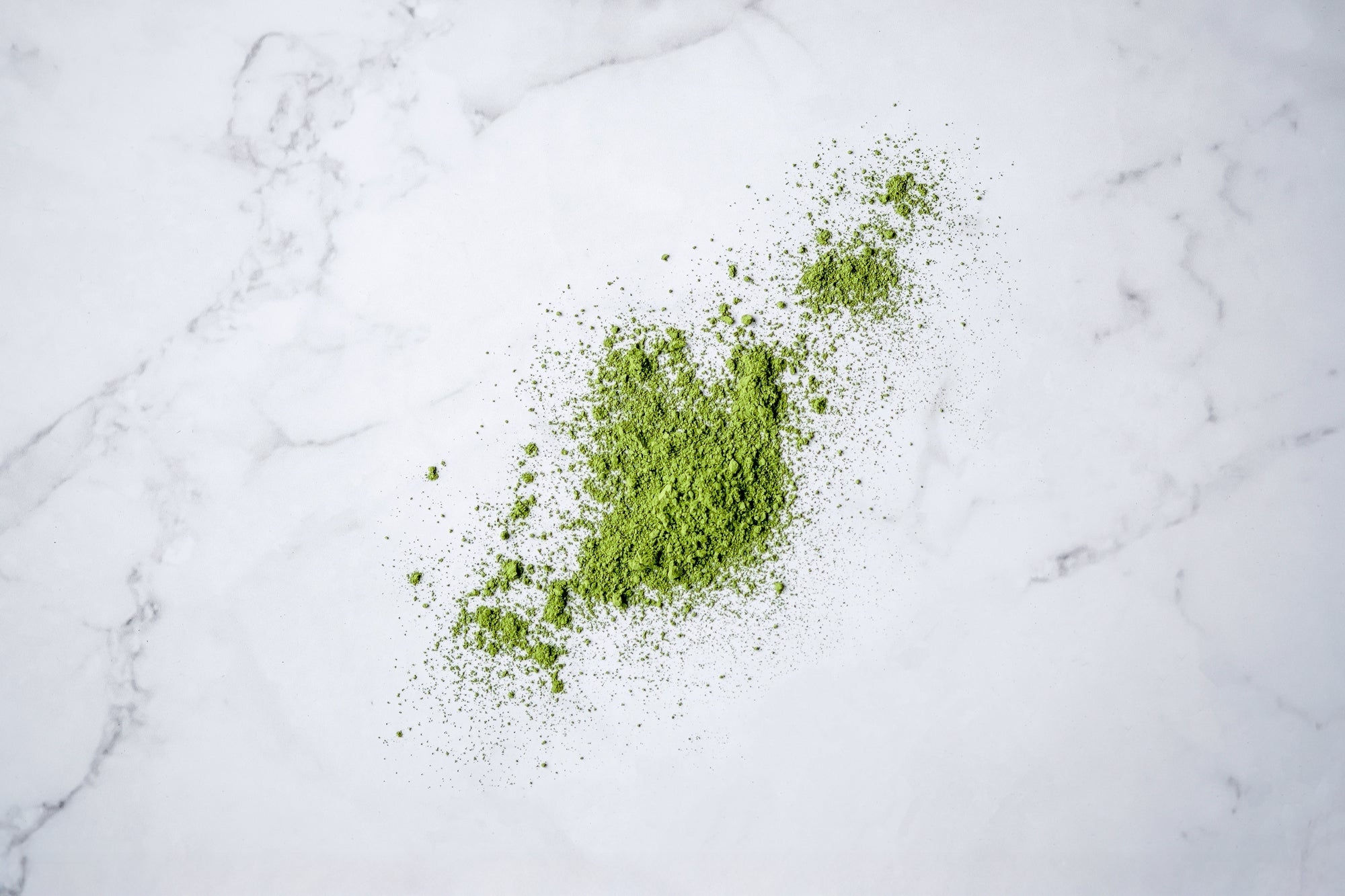
This increase in chlorophyll gives matcha its signature bright emerald-green color.
The result:
✅ Brilliant green appearance
✅ Higher-quality visual characteristics
✅ Richer concentration of plant pigments
3. Fewer Catechins = Less Bitterness
Catechins are natural antioxidants that help protect tea leaves from UV light.
When sunlight is reduced, the plant produces fewer catechins.
The result:
✅ Less bitterness
✅ Less astringency
✅ A smoother drinking experience
The Science Behind Matcha's Unique Taste
Shade-growing causes several important changes in the tea leaf:
⬆️ L-Theanine (umami amino acid)
⬆️ Chlorophyll (green pigment)
⬇️ Catechins (bitter polyphenols)
These changes create the characteristics that make matcha different from other green teas:
🍵 Rich umami
🍵 Vibrant green color
🍵 Smooth, balanced flavor
So the next time you enjoy a bowl of matcha, remember that its beautiful color and unique taste are the result of weeks of careful cultivation and plant science before the leaves are even harvested. 🍃✨

Sources: Scientific studies on shaded tea cultivation have reported increased amino acid and chlorophyll content, along with reduced catechin levels in shade-grown tea leaves, contributing to matcha's distinctive flavor and appearance.

Written by IKIGAI MATCHA